Uses of Clear Glass Liquor Bottles in Spirits Industry
Apr 27, 2026
750 ml Clear Glass Liquor Bottles are the standard around the world when it comes to quality drinks packaging. 750 ml Clear Glass Liquor Bottles have become the standard. These clear containers let distillers show off the brightness and color of their product, which builds trust with customers right away and lets brands tell more complex stories. These bottles are used for many things, like vodka, gin, tequila, and handmade white spirits. They are clear to look at, strong, and good for the environment. They are made from lead-free soda lime glass and meet strict safety standards. They can also be recycled over and over again, which makes them the best choice for both well-known names and new craft breweries.
Understanding the Standard: What Makes 750ml the Industry Benchmark
Historical Origins and Global Adoption
European wine countries came up with the 750 ml Clear Glass Liquor Bottles size hundreds of years ago; it was equal to about one-fifth of a gallon there, which is how it got the nickname "The Fifth" in American markets. This volume became normal along all international trade routes because it was a good mix between how efficiently goods were made and how people bought them. Today, this capacity makes up most of the shelves of liquor stores around the world, making it easier for makers to ship their products around the world.
Technical Specifications That Matter
When we talk about 750 ml Clear Glass Liquor Bottles for spirits, we're talking about Type III Soda-Lime silica glass, which is made to be as clear as possible. The material is purposely free of coloring agents, which makes what the industry calls "flint glass." Premium versions use low-iron content forms called "super flint," which give them the crystal-like clarity needed for ultra-premium positioning. Standard versions of these bottles weigh between 450g and 600g, but heavyweight luxury versions can weigh over 1000g to show that they are substantial and high-quality. In automated production settings, the accuracy of the measurements is very important. The brimful size is usually between 760ml and 780ml, and the headspace is designed to allow for thermal growth while the container is being filled. Neck finishes must meet standards set by the Glass Packaging Institute (GPI). For screw caps, these standards include 33-400, and for cork closures, bar top finishes with a bore width of 18.5mm or 21.5mm are popular.
Chemical Inertness and Safety Advantages
The glass packing keeps gases from getting through, which keeps high-ABV drinks from oxidizing over long periods of time. 750 ml Clear Glass Liquor Bottles made from soda lime glass don't transfer flavors like plastic bottles do. This means that vodka, gin, tequila, and white rum keep their original flavors from bottling to drinking. The material doesn't naturally contain BPA and meets FDA standards. It also has certifications for RoHS compliance and 84/500/EEC rules for leachable lead and cadmium content. These safety guarantees are a must for brands that want to enter controlled markets, especially in the US, where strict safety standards are still expected by consumers.
Core Uses of 750 ml Clear Glass Liquor Bottles in the Spirits Industry
Premium Clear Spirits Presentation
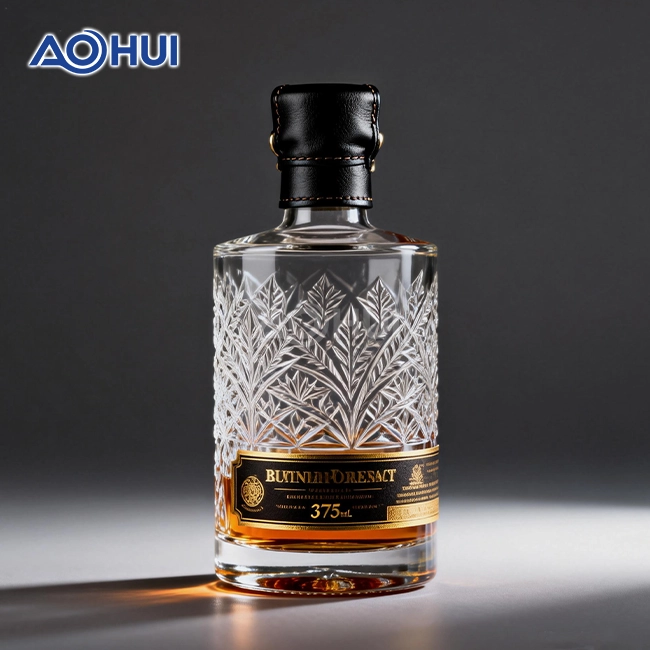
Vodka and gin makers depend on clear packages to show that 750 ml Clear Glass Liquor Bottles their products are pure. Clear super flint 750 ml Clear Glass Liquor Bottles show that the alcohol is of high quality because they let customers see the spirit before they buy it. In the premium and ultra-premium markets, where clarity means strict distillation standards, this clarity is especially important. Brands put their goods on store shelves that are lit from behind, so light can pass through the bottles and make them glow, which makes people want to buy them. These bottles go through high-speed rotating filling processes, so they need to be stable in size and resistant to friction so that labeling tools don't get stuck. Different ways of decorating must be able to work with the surface energy, such as pressure-sensitive labeling (PSL), direct screen printing, hot pressing, and acid etching. For each type of decoration, the glass surface needs to be treated in a certain way to make sure that the adhesive stays in place even when the temperature and humidity change during storage and shipping.
Agave Spirits and Heavyweight Designs
Producers of tequila and mezcal often choose heavy, 750 ml Clear Glass Liquor Bottles with thick bases, which are called "punts." These sturdy containers send a message of authenticity and artistry, which fits with the traditional hand-made nature of agave distillation. When making agave spirits, heavy lifting is common in places like distilleries, bars, and service lines. This means that workers need to be very strong. These bottles need to be able to take being hit without breaking, so they break less often during shipping and store display. In this group, complex mold patterns with embossing and debossing are popular. To keep the edges and surface features clear during the glass-forming process, better release agents are needed. The customization options include base width, sidewall curves, and shoulder angles. All of these help brands stand out in stores that are already full.
Craft Distillery Flexibility
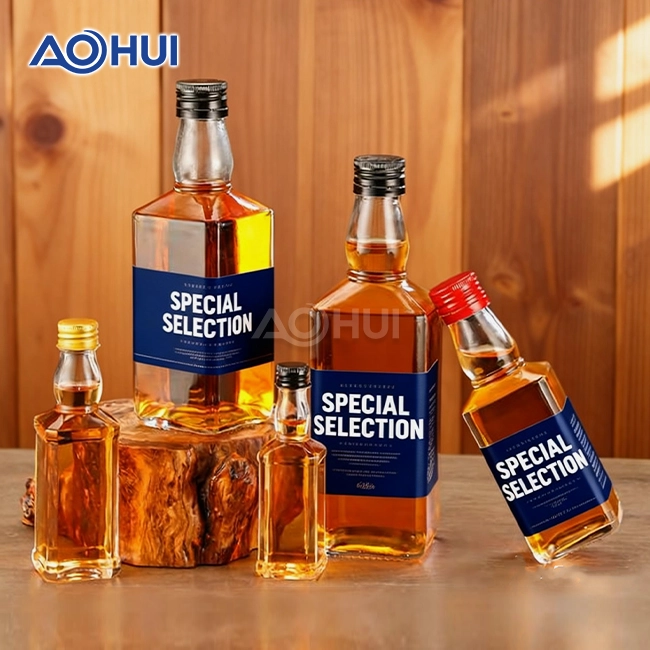
Craft distillers like 750 ml Clear Glass Liquor Bottles because they can be used for a lot of different products and can be decorated in a lot of different ways. Small-batch distilleries often use these bottles for more than one type of spirit, moving between cork and ROPP (Roll-On Pilfer-Proof) seals based on how they want to market their products. The surface tension of 750 ml Clear Glass Liquor Bottles needs to be able to support different labeling systems. This way, craft brands can try out different design looks without having to buy different bottle sizes.750 ml Clear Glass Liquor Bottles are easy to get from a number of different supply networks. This means that new distilleries can start selling their goods without having to meet huge minimum order sizes. Custom molds for industrial production usually need at least 20,000 pieces to be made, but standard clear bottle forms are still easy to find in smaller amounts, which makes product development and market testing more flexible.
Procurement Considerations for B2B Buyers of Clear Glass Liquor Bottles
Material Quality and Manufacturing Standards
When buying bottles for packaging drinks, people who work in procurement need to carefully look at the glass makeup. The difference between normal flint glass and super flint glass has a big effect on how people think about the brand. Standard flint is clear enough for mid-range spirits, but super flint is so clear it looks like crystal, which is why premium price tactics are necessary for 750 ml Clear Glass Liquor Bottles. This difference can be seen because of the difference in iron level, which is usually less than 0.01% in super flint. An important but often ignored characteristic is the annealing quality. If glass isn't properly tempered, it can keep internal stress that can cause it to break on its own while being stored or handled. Buyers should make sure that providers test polariscopes according to ASTM C148 guidelines, making sure that any residual strain stays within accepted limits. This quality control measure keeps brands from having to return expensive products and having their reputations hurt by cases of delayed fracture.
Durability and Performance Testing
As tested by ASTM C149, thermal shock protection shows that bottles can handle temperature changes of up to 42°C. This ability is necessary for hot filling and automatic bottle washing systems that are popular in the production of spirits. The vertical load strength of 750 ml Clear Glass Liquor Bottles affects how well they work when stored on pallets, where the bottom layers have to hold a lot of weight without falling apart or deforming. Wall width regularity affects both how long something lasts and how it looks. At the neck finish, laser measuring technology checks the thread size (T), wall thickness (E), and height requirements (H). When these conditions aren't met, capping machines break down or leak, which throws off production plans and wastes goods. In purchase deals, buyers should spell out clearly what the acceptable ranges of sizes are, and the criteria for acceptance should be based on statistical 750 ml Clear Glass Liquor Bottles sampling methods.
Supplier Selection and Supply Chain Reliability
To find trusted providers, you need to look at more than just price to see how well they do technical things. We at Aohui Packaging know that business-to-business buyers need partners who can act as extended supply chain teams instead of just transactional suppliers. We've learned that steady quality and quick contact are just as important as low prices from working with clients in the US, Canada, the UAE, Norway, the Netherlands, and the Czech Republic. Buyers should look at how well providers can prototype, especially how well they can turn 2D artwork into 3D mold designs. This technical knowledge stops mistakes in production that cost a lot of money and makes sure that automatic filling equipment works right with bottles. With rapid prototyping services, brands can test designs in real life before committing to full production runs. This lowers the risk of development and speeds up the time it takes to get products to market.
Comparing Clear Glass Against Alternative Materials and Designs
Clear Versus Colored Glass Trade-offs
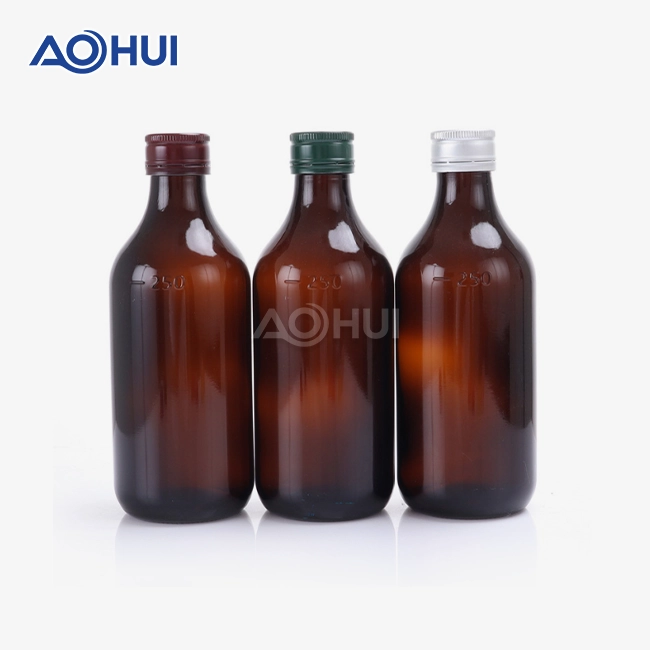
750 ml Clear Glass Liquor Bottles make it easy to see what's inside, but they don't block UV light as well as amber or green glass bottles. Some spirit molecules can break down when exposed to ultraviolet light, especially in goods that have botanicals or aged ingredients. But clear drinks like vodka, gin, white rum, and tequila don't have many light-sensitive chemicals, so UV protection isn't as important as how they look. The effects on brands are very different. 750 ml Clear Glass Liquor Bottles send a message of honesty and cleanliness, which fits with how modern consumers want to see what's in their food. Brands that care about history will like colored glass because it often means traditional production methods or an emphasis on old style. The choice isn't just based on function; it's also based on the brand story and the psychographics of the target customer.
Bottle Weight and Shipping Economics
Designing 750 ml Clear Glass Liquor Bottles that are light cuts down on shipping costs and damage to the environment by using less fuel during processing. Standard weight bottles weigh between 450g and 600g, while special heavyweight bottles weigh more than 750g. This difference in weight has a big effect on shipping costs, especially when sending goods internationally, where freight charges are based on both volume and weight. When doing the cost-benefit study, you need to think about the brand's branding goals. Heavy bottles send messages of wealth and heft, which is why they cost more because they feel better. Budget-conscious brands choose designs that are light to cut down on shipping costs. This is especially important when going after price-conscious customers, since the cost of packing affects a store's ability to compete in the retail market.
Closure System Selection
People who buy ultra-premium drinks enjoy the premium opening routine that cork closures create. For cork closures, the bar top finish usually has a bore width of 18.5mm or 21.5mm and is made to exact standards to make sure the cork seals properly. Cork doesn't show as much tamper evidence as shrink bands or breaking caps, so in some places it needs extra security features to meet regulations. Screw cap locks offer a better seal and make it easier to open again, which is especially useful in spirit categories where people use goods for long periods of time. Childproof caps can be used with GPI standard finishes like 33-400, meeting safety rules in countries with strict child protection requirements. Choosing between a cork cap and a screw cap changes the tools needed on the production line and the cost of closing each unit, which affects the overall economics of packing.
Sustainability and Future Trends in Clear Glass Spirits Packaging
Recycled Content Integration
Post-consumer recovered glass (PCR) is being used 750 ml Clear Glass Liquor Bottles more and more in the spirits business to make 750 ml Clear Glass Liquor Bottles. Some makers are even getting as high as 50% PCR content. This combination cuts down on the need to mine new silica sand and use less energy in production because recycled glass melts at lower temperatures. There are environmental benefits all along the supply chain, from less damage to the environment during digging to less carbon emissions during production. Brands show their recycling promises on package labels and in marketing materials, which appeals to people who care about the environment and want to make environmentally friendly purchases. B2B buyers know that sustainability skills affect their choice of retail partners. For example, big distributors set environmental performance standards for suppliers that affect purchase deals and shelf placement options.
Lightweighting Without Compromising Quality
Glass companies are still coming up with lighter 750 ml Clear Glass Liquor Bottles designs that look great and don't compromise on strength. Modern casting engineering and glass distribution optimization cut the amount of material needed by 10–20% compared to older designs. This lowers the cost of production and the pollution caused by shipping. Even though these bottles are lighter, they still have to meet standards for vertical load and heat shock protection. This requires complex engineering and strict quality testing procedures. The hard part is finding a balance between losing weight and how customers see the goods. People who buy spirits think that the weight of the bottle affects how much the product is worth. This makes environmental goals and market standards conflict. Lightweighting that works keeps the bottles' tactile quality by strategically distributing weight so that most of the mass is in the bases and shoulders, where people will physically touch the bottles, and less of it is in less noticeable areas.
Smart Packaging and Digital Integration
New technologies are adding NFC chips, QR codes, and numbered tracking to the designs of 750 ml Clear Glass Liquor Bottles. This lets brands be verified and gives customers more ways to interact with them. These digital features help stop fakes and give producers a clear view of the supply chain from production to store sale. People scan codes to get brand stories, cocktail recipes, and proof of identity, which makes brand connections stronger beyond the actual object. Blockchain-based tracking systems keep track of information about how spirits are made, how they get to stores, and who owns what. These clear records of where the spirits came from are highly valued in markets for high-end spirits. This technology is especially helpful for limited editions and very expensive items, where proving their authenticity is necessary to justify the higher price and boost buyer trust in secondary markets.
Conclusion
Clear glass liquor bottles, especially the normal 750 ml Clear Glass Liquor Bottles size, are still the most common way to package drinks for everyone, from small craft companies to big-name brands. Their mix of being clear to the eye, not reacting with chemicals, and being eco-friendly meets basic industry needs and allows for advanced brand differentiation. To find the best packaging methods, procurement professionals who are looking at these 750 ml Clear Glass Liquor Bottles have to weigh a lot of things, such as the quality of the materials, the ability to customize them, the dependability of the provider, and the total cost of ownership. As things change, environmental needs and premiumization trends come together. This opens the door for new ideas in recycled material, lighting, and digital integration. When buyers work with highly skilled suppliers, they get faster development processes, better quality control, and quick supply chain management that helps them use flexible market strategies in the spirits industry, which is changing all the time.
FAQ
1. What distinguishes super flint from standard flint glass in clear bottles?
Standard flint glass is clear enough for medium-level spirits use, but it has a small amount of iron in it that gives it a slightly greenish tint in some lights. Super flint glass is made in a more precise way with low-iron silica, which gives it a crystal-like clarity that helps place the brand as an expensive one. The visual difference is clear when 750 ml Clear Glass Liquor Bottles are backlit or put on lit store shelves. Super flint has an amazing brightness that makes the higher unit prices for ultra-premium goods worth it.
2. How can I keep things from breaking while transporting bulk?
Multiple steps are needed to keep things from breaking. These include using the right pallets with cardboard dividers to keep glass from touching glass, shrink-wrapping to keep loads stable, and making sure the products have enough impact protection during quality control. As long as providers do ASTM tests for heat shock and vertical load strength, 750 ml Clear Glass Liquor Bottles will be able to handle the stresses of shipping. Breakage rates during foreign shipping can be lowered even more by optimizing container packing and choosing carriers with experience handling drinks.
3. Can standard clear liquor bottles handle carbonated ready-to-drink cocktails?
Standard 750 ml Clear Glass Liquor Bottles are made to hold still drinks without any pressure inside. Carbonated drinks usually have an internal pressure of 1 to 2 bars or higher, so they need bottles that are rated for that pressure and have sides that are strengthened and special closures. Putting fizzy drinks in regular bottles could cause an explosion or cause you to be sued. Brands that are making fizzy RTD drinks should ask for 750 ml Clear Glass Liquor Bottles that have been tested to meet ASTM C147 standards for pressure. These requirements may make the price per unit higher and limit the shapes that can be made compared to standard bottles for still liquids.
Partner with Aohui Packaging for Your Clear Glass Bottle Needs
Here at Aohui Packaging, we're experts at providing high-quality 750 ml Clear Glass Liquor Bottles and full glass packaging options that are specifically made for spirits brands. As your strategic partner, not just a supplier, we make sure that every bottle meets international quality standards by bridging the gap between your artistic idea and the work that is done on the factory floor. Our technical team can help you with fast development, mold design optimization, and customization for screen printing, hot pressing, and frosting. With certificates from the FDA, ISO, and RoHS, we can promise lead-free soda lime glass that meets the rules in all global markets. We've been helping customers in the US and other countries for years. We offer door-to-door shipping, contact 24 hours a day, and open OEM/ODM services with 20,000-piece minimums. As a reliable maker of 750 ml Clear Glass Liquor Bottles, Aohui Packaging can help you speed up the launch of your product by streamlining your supply chain. Contact us at aohuipack@qq.com to learn more.
References
1. Glass Packaging Institute. "Standards and Specifications for Glass Container Neck Finishes and Closures." Industry Technical Manual, 2021.
2. American Society for Testing and Materials. "ASTM C148 Standard Test Method for Polariscopic Examination of Glass Containers." Annual Book of ASTM Standards, 2020.
3. Davis, Martin L. "The History and Evolution of Spirit Bottle Sizes in International Trade." Journal of Packaging History and Technology, Vol. 34, No. 2, 2019.
4. International Organization for Standardization. "ISO 7458:2020 - Glass Containers - Internal Pressure Resistance." Quality Standards for Beverage Packaging, 2020.
5. Thompson, Rebecca, and Chen, David. "Sustainability in Glass Manufacturing: Recycled Content Integration and Lightweighting Strategies." Environmental Packaging Quarterly, Spring 2022.
6. National Institute of Standards and Technology. "Safety Standards for Food Contact Materials: Glass Packaging Compliance." FDA Regulatory Guidelines, 2021.

Send Inquiry