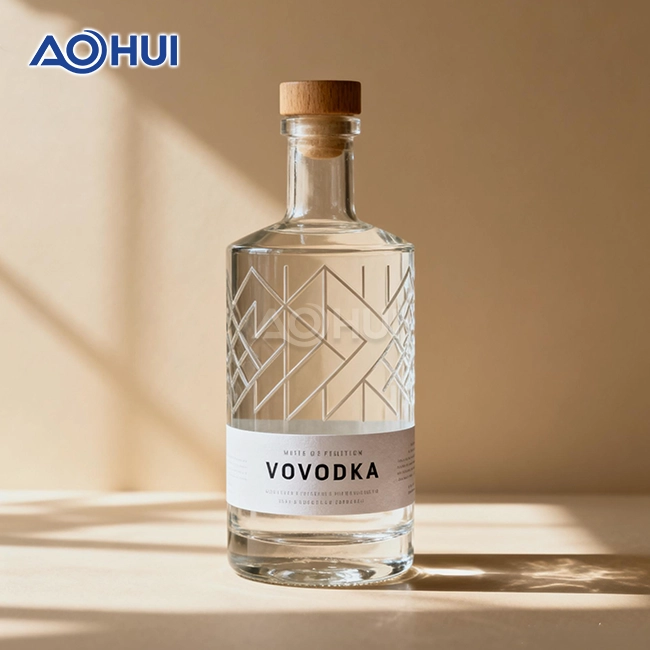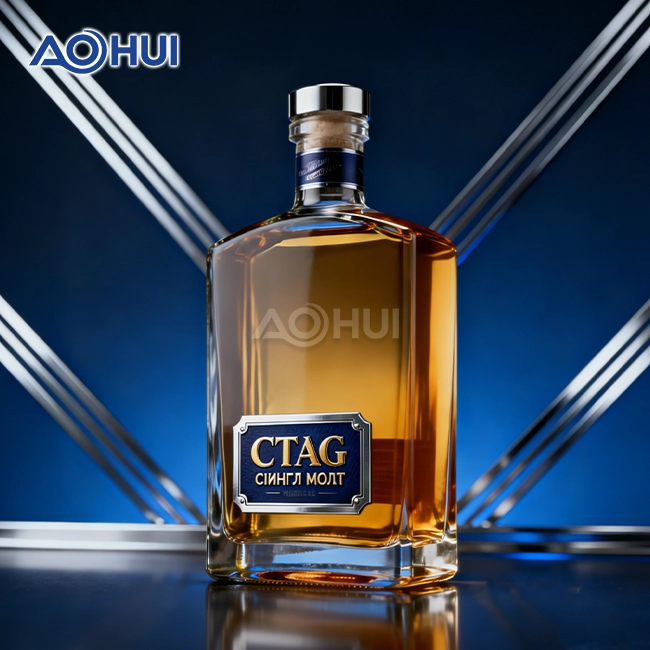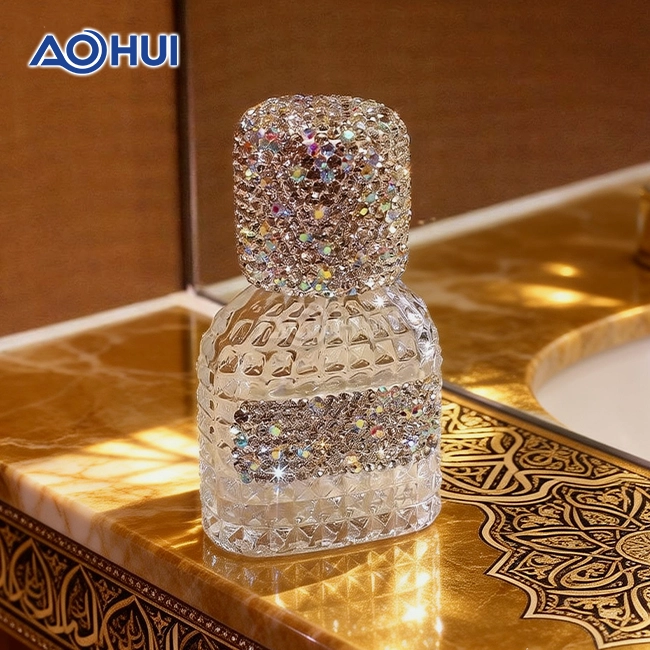
The Art and Science of Glass Bottle Decoration: A Deep Dive into Deep Processing
Dec 25, 2025
In the world of packaging, a glass bottle is more than just a container; it is a canvas. Whether it holds a vintage Cabernet, a limited-edition fragrance, or a premium craft spirit, the visual appeal of the glass is often the first thing that grabs a consumer’s attention.
But how does that intricate logo, that frosted texture, or that vibrant color get onto the smooth, hard surface of glass? The answer lies in Glass Bottle Deep Processing.
Today, we’re taking you behind the scenes of the factory floor to explore the fascinating techniques that transform a plain, clear bottle into a marketing masterpiece.
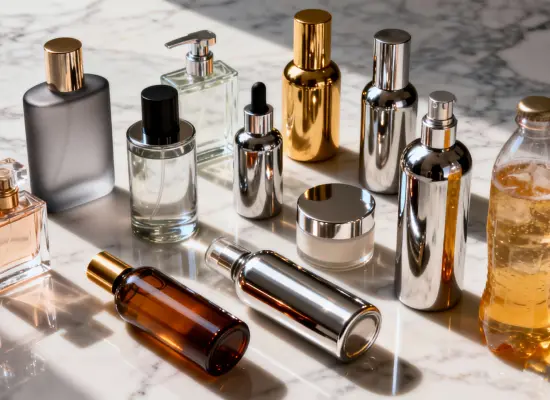
What is "Deep Processing"?
Before we dive into the ink and the machinery, let’s define what we mean by "deep processing."
While the initial manufacturing of the glass bottle (blowing and shaping) creates the vessel, deep processing adds the value, the aesthetics, and the functionality.
It encompasses a range of post-production techniques:
● Decoration: Adding color, logos, and textures.
● Protection: Applying coatings to prevent scratching or chemical reactions.
● Special Effects: Creating visual depth through frosting, engraving, or embossing.
Essentially, it’s the difference between a generic bottle and a brand icon.
The Printing Techniques: From Traditional to Digital
When it comes to applying graphics to glass, there isn't a one-size-fits-all solution. Manufacturers choose the method based on the design complexity, the production volume, and the desired tactile feel.
1. Screen Printing (The Industry Standard)
This is the heavyweight champion of glass decoration.
● The Process: It works like a stencil. A mesh screen is stretched tight, and a design is burned onto it using emulsion. Ink is then forced through the open areas of the mesh and onto the bottle using a squeegee.
● The Result: Bold, opaque colors that are extremely durable. It’s perfect for high-volume runs like wine bottles or beer bottles where the design doesn't change often.
● The Limitation: It’s generally a flat print. While you can build up layers, it’s harder to achieve a true 3D texture with standard screen printing.

Send Inquiry